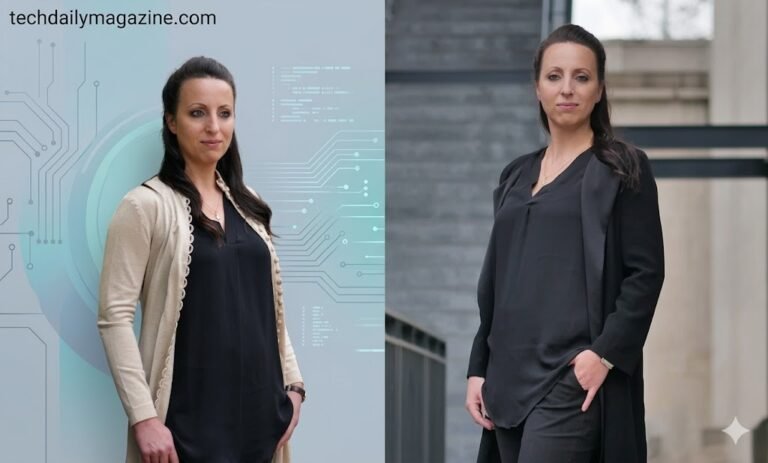
miriam wilcox
Introduction
Miriam Wilcox is a name not often seen in the spotlight, but her journey is one of remarkable strength and resilience. Known as the eldest daughter of Esther Rantzen, the renowned British television presenter and charity founder, and Desmond Wilcox, a respected documentary filmmaker, Miriam’s life story is deeply intertwined with the public eye. However, despite her prominent family background, Miriam has led a life of privacy, marked by challenges that have shaped her into the person she is today.
This article delves into Miriam’s life — her background, her struggle with illness, her family, and the quiet way in which she has navigated the world.
Family Background: A Legacy of Public Figures
Born in 1978, Miriam Wilcox is the eldest child of Esther Rantzen and Desmond Wilcox, both influential figures in British media. Esther Rantzen is best known for creating and hosting the long-running BBC program That’s Life!, as well as founding ChildLine, a charity dedicated to providing confidential support to children and young people in crisis. Her father, Desmond, was a well-respected documentary filmmaker, contributing his work to a wide array of subjects, particularly those that focused on real-world issues.
Growing up in such a public family, it would be easy for Miriam to have followed in their footsteps. However, she chose a different path, largely remaining out of the public eye. While her siblings — Rebecca Wilcox, a television presenter, and Joshua Wilcox, a physician — have maintained more public careers, Miriam’s story is one that unfolds in the quieter corners of life.
Struggling with Illness: A Life Shaped by ME/CFS
One of the defining aspects of Miriam Wilcox’s life has been her battle with Myalgic Encephalomyelitis (ME), a condition often known as Chronic Fatigue Syndrome (CFS). Her struggle with ME began when she was just 14 years old, after an episode of glandular fever. ME is a chronic illness that causes extreme fatigue, cognitive impairments, and a host of physical symptoms that can leave sufferers bedridden for long periods.
The onset of this illness in Miriam’s adolescence had a profound effect on her life. ME is a condition that is often invisible to the outside world, which can make it difficult for others to understand. The physical limitations that came with ME meant that Miriam was unable to attend school regularly, and much of her teenage years were marked by long periods of isolation and illness. She would spend months confined to a bed, unable to engage with life in the way her peers did.
Despite the severity of her illness, Miriam’s family remained incredibly supportive throughout her journey. Her mother, Esther, has spoken publicly about the challenges of being a parent to a child with ME, describing how it felt to watch Miriam struggle with a condition that was not widely understood at the time.
Privacy and Personal Life
Unlike her family members, who have been highly visible in the public domain, Miriam has consistently chosen to lead a private life. While her mother, Esther Rantzen, became a household name in the UK, Miriam has stayed out of the limelight, away from the intense scrutiny that often accompanies the children of famous figures.
Miriam’s personal life has remained largely private. There is little public information about her relationships, whether she is married, or whether she has children. This choice to maintain privacy is consistent with her nature, preferring to keep personal matters away from public attention.
Public Awareness and Advocacy
Despite her preference for privacy, Miriam’s life has been linked to greater causes, especially through her mother’s advocacy for ME awareness. Esther Rantzen, after seeing the devastating impact of ME on Miriam’s life, used her platform to raise awareness about the illness, emphasizing the importance of understanding invisible disabilities. Through her work with ChildLine, as well as through her public speaking, Esther has helped shed light on the emotional and physical toll that chronic illnesses like ME can take on both sufferers and their families.
Esther’s decision to share Miriam’s story publicly has allowed more people to understand the realities of living with ME and helped elevate discussions about how to support those who are chronically ill. Miriam’s condition, though not often in the public eye, has contributed to a larger conversation about healthcare, understanding chronic illnesses, and the importance of compassion.
A Quiet Legacy of Strength
Although Miriam Wilcox has not pursued a career in the public eye, her story is one of strength and resilience. Her experience with ME, her ability to navigate life with a chronic illness, and her preference for privacy in a family so closely associated with public life all reflect a deep sense of personal integrity.
In a world where public figures often face relentless media attention, Miriam’s quiet approach to life serves as a reminder of the power of privacy, the strength of personal resilience, and the importance of finding balance in a world that constantly demands more.
Her journey, though marked by challenges, is also a testament to her ability to overcome adversity and find her own path, separate from the fame and fortune that often accompany those with high‑profile parents.
Conclusion: Miriam Wilcox’s Quiet Legacy
Miriam Wilcox may not be a household name like her famous parents, but her story is one of quiet strength, resilience in the face of illness, and a preference for a private, peaceful life. Her experience with ME/CFS, and the way her family supported her throughout her journey, has led to a deeper public awareness of chronic illnesses and the difficulties of living with conditions that are not always visible to others.
Her choice to remain out of the spotlight has allowed her to live on her own terms, and while her story may not be widely known, it serves as a reminder of the power of privacy and the importance of personal resilience. In many ways, Miriam Wilcox’s legacy is one that is quietly shaping a larger conversation about illness, strength, and the meaning of family support.
Frequently Asked Questions (FAQ)
1. Who is Miriam Wilcox?
Miriam Wilcox is the eldest daughter of British television presenter Esther Rantzen and documentary filmmaker Desmond Wilcox. She is known for her personal struggle with Myalgic Encephalomyelitis (ME), a chronic illness that impacted much of her childhood and teenage years.
2. What illness does Miriam Wilcox have?
Miriam Wilcox has Myalgic Encephalomyelitis (ME), also known as Chronic Fatigue Syndrome (CFS). This condition causes extreme fatigue, cognitive dysfunction, and other symptoms that can severely limit daily activities.
3. Is Miriam Wilcox married?
There is no public information regarding Miriam Wilcox’s marital status or children, as she has led a very private life.
4. What is her relationship with her family?
Miriam Wilcox has maintained a close relationship with her mother, Esther Rantzen, who has publicly shared Miriam’s story to help raise awareness about ME and invisible disabilities.
5. What has Miriam Wilcox contributed to public life?
Miriam has contributed to the awareness of ME, with her illness being part of her mother’s advocacy work through her role in ChildLine and other charitable efforts.
Miriam Wilcox’s story is one of endurance, personal strength, and quiet resilience in the face of long-term health challenges. Through her family’s advocacy, she has indirectly shaped how society views chronic illnesses and continues to inspire those facing their own battles with illness.
About the Author