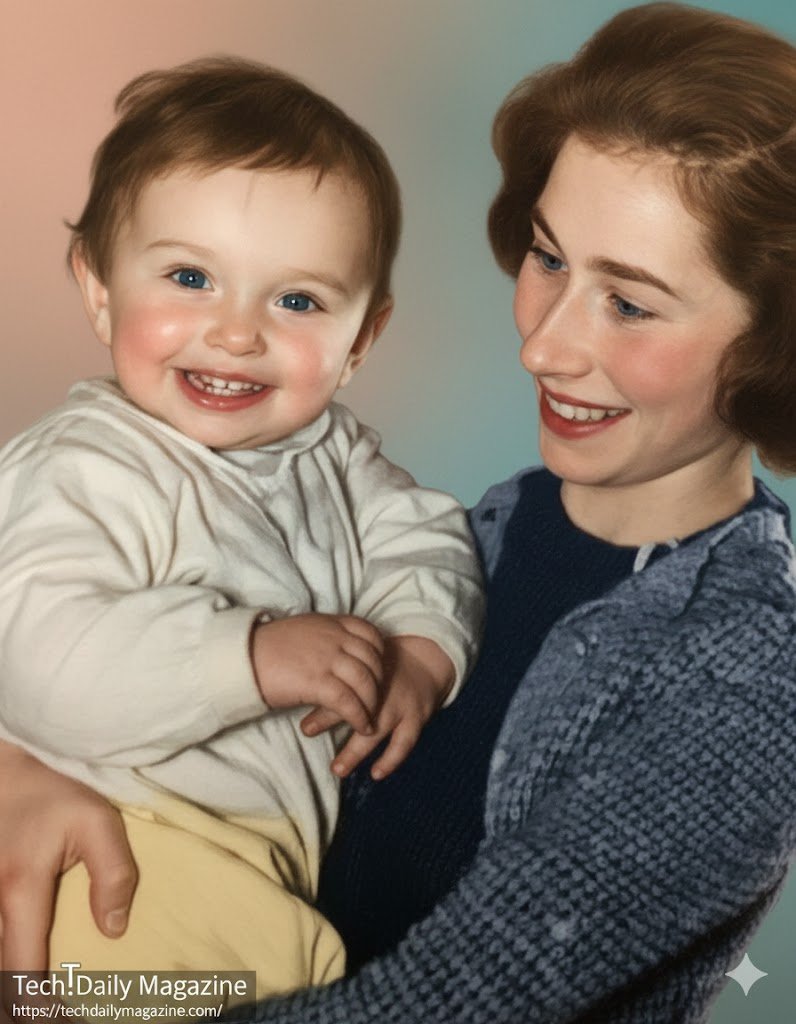
Gabi Goslar
Introduction to Gabi Goslar
Gabi Goslar was a Holocaust survivor who, alongside her older sister, Hannah Goslar (also known as Hanneli), became an important figure in remembering and preserving the history of the Holocaust. Born Rachel Gabriele Ida Goslar on October 25, 1940, in Amsterdam, Netherlands, Gabi’s early life was marked by the shadow of the growing Nazi regime and the impact of its policies on Jewish families. Her family’s story intertwines with that of Anne Frank, the famed diarist, and illustrates the personal toll of one of history’s darkest periods.
Early Life in Amsterdam
Gabi was born into a Jewish family in Amsterdam, just months after Germany invaded the Netherlands. Her family, originally from Germany, had fled the rise of Nazism, seeking safety in the Netherlands. However, as the Nazis expanded their control over Europe, their protections would quickly erode. Gabi’s father, Hans Goslar, and mother, Ruth Judith Goslar, both experienced the increasing restrictions placed on Jewish people. Ruth would tragically pass away shortly after Gabi’s birth, leaving the young girl and her sister, Hannah, with only their father for support.
In her early years, Gabi’s life was already steeped in fear. Though she was very young, the experiences of persecution and survival would become a central theme of her story.
The Goslar Family and Their Connection to Anne Frank
Gabi’s older sister, Hannah Goslar, was a close childhood friend of Anne Frank, and their story is deeply intertwined. Anne mentions Hannah in her diary as one of her best friends, and the two girls spent their early years together before Anne and her family went into hiding. Gabi, being much younger, did not have direct contact with Anne, but her family was part of the same Jewish circle in Amsterdam, and their paths would cross in ways that linked them forever to Anne’s story.
Hannah, who was known to Anne as “Lies,” would later survive the Holocaust and become an important figure in sharing Anne’s legacy. After the war, Hannah and Gabi would be among the very few to survive the horrors of the concentration camps. Their journey of survival would set them on a path of remembrance, education, and advocacy.
Deportation to the Concentration Camps
In 1943, the Goslar family, like many Jewish families in Nazi-occupied Europe, was forcibly rounded up and sent to the Westerbork transit camp in the Netherlands. From there, they were deported to the infamous Bergen-Belsen concentration camp in Germany in 1944. Gabi, at just a few years old, was now caught in the brutal realities of Nazi genocide. She spent much of her early childhood in the harrowing conditions of the camp, enduring starvation, disease, and forced labor.
At Bergen-Belsen, the conditions were indescribable. Families were crammed together in barracks, with little to no food, and diseases like typhus spread rapidly. It was a place of despair where millions of people lost their lives. Gabi and Hannah survived the appalling conditions for over a year, facing the devastating loss of their father, Hans Goslar, who passed away in the camp in February 1945 due to malnutrition and illness.
Despite the unimaginable hardships, Gabi and Hannah were resilient. The sisters relied on each other for support, and their bond was one of the few things that kept them going in a place of such overwhelming suffering.
Liberation and Post-War Life
As the Allies advanced in 1945, the concentration camps began to be liberated. Gabi and Hannah were among those freed from Bergen-Belsen, though they were in extremely frail health after enduring the brutal conditions for so long. After their liberation, they were sent to a refugee camp and eventually made their way back to Amsterdam, where they were reunited with what little family they had left.
After the war, both sisters made the decision to emigrate to Israel, joining other Jewish survivors who sought new lives in a newly established homeland. Gabi and Hannah’s journey to Israel marked the beginning of their post-war lives, though their experiences would forever shape their identities.
A Life of Advocacy and Remembrance
Though Gabi did not receive the same level of public attention as her sister Hannah, her survival story is no less significant. The Goslar sisters, alongside other survivors, dedicated much of their post-war lives to preserving the memory of those lost in the Holocaust and to educating future generations about the dangers of hatred and intolerance.
In the decades following the war, Hannah became a vocal advocate for Holocaust education, speaking about her experiences and those of her close friends, including Anne Frank. While Gabi did not take on the same public role as Hannah, she, too, contributed to the effort to ensure that the atrocities of the Holocaust would never be forgotten.
The Legacy of Gabi Goslar
Today, the memory of Gabi Goslar lives on through the stories she shared and the legacy of survival she represents. While she may not have the same level of recognition as her sister Hannah or Anne Frank, her life is an integral part of the broader narrative of survival, loss, and resilience during the Holocaust.
Gabi Goslar’s Impact on Holocaust Education
Though Gabi was not as publicly involved in sharing her personal story as Hannah, her story is one of perseverance and hope. Like other survivors, Gabi’s life serves as an important testament to the resilience of the human spirit in the face of unimaginable hardship. Through her connection to Anne Frank and her family’s survival, Gabi helped ensure that the lessons of the Holocaust continue to be shared with future generations.
Gabi’s Relationship with Her Sister, Hannah Goslar
The bond between Gabi and her sister Hannah was profound. Hannah, as one of Anne Frank’s closest childhood friends, became a well-known Holocaust survivor, often sharing her experiences in public talks and writings. Gabi’s relationship with her sister was crucial to their survival, and their shared story is a reminder of the enduring power of family and support in times of extreme adversity.
Gabi Goslar Today and Where She Is Now
Sadly, as of 2022, Gabi Goslar is no longer alive. She passed away peacefully, though her legacy remains deeply impactful. Through the documentation of her life and her contributions to Holocaust education, Gabi Goslar’s memory will continue to live on in the stories of survivors and their families.
Today, Gabi’s story, like that of her sister Hannah and Anne Frank, serves as an enduring reminder of the importance of remembering the past so that future generations can learn from the mistakes of history. The stories of these women — young girls who faced incomprehensible tragedy and yet emerged with their humanity intact — continue to inspire people around the world.
Conclusion
The life of Gabi Goslar is a testament to survival, resilience, and the enduring importance of family. Although she may not have been in the spotlight as much as others, her role in the preservation of history and the memory of those lost in the Holocaust cannot be overlooked. Alongside her sister, Hannah, Gabi’s story lives on, inspiring generations to remember the horrors of the past and to strive for a future free of hatred and prejudice. Gabi’s legacy, through her survival and advocacy, will continue to inspire as long as we remember the lessons of the Holocaust.
This article provides a comprehensive overview of Gabi Goslar’s life, her connection to Anne Frank and her family, and her contribution to Holocaust education.
About the Author